showSidebars ==
showTitleBreadcrumbs == 1
node.field_disable_title_breadcrumbs.value ==

A blue and white banner with buildings and text

SKBI Newsletter | May 2026  

Case Insights: Regulatory Impacts on US Hazardous Waste Exports

hazardous waste

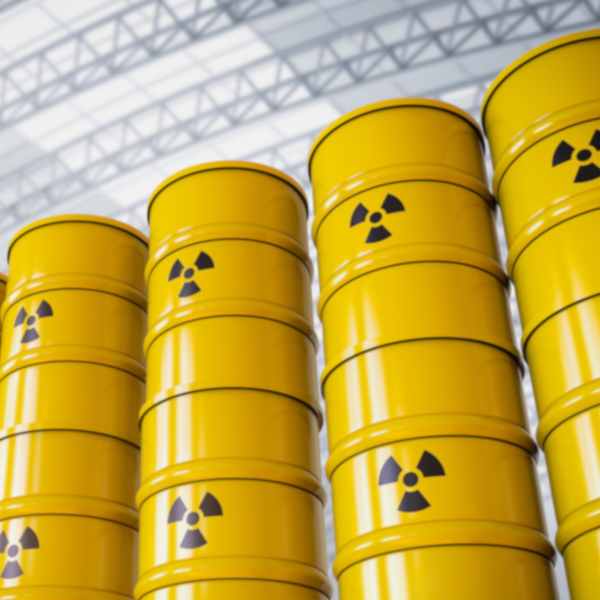
This case explores how overlapping domestic, state, and international regulations have shaped U.S. hazardous waste export patterns over the past two decades. California serves as a focal point, illustrating how stricter state rules can significantly influence national patterns, and has higher direct impact than global treaties such as the Basel Convention.

The research highlights the tension between the limited enforceability of international agreements and domestic policy innovation, underscoring the complexities of managing hazardous waste under fragmented regulatory regimes. This points to the need for stronger global standards alongside greater investment in local recycling infrastructure to reduce the environmental risks associated with waste exports.

What this means for policymakers?

What this means for Industry?

Strengthen domestic recycling capacity
Heavy reliance on exports highlights the need to invest in local recycling and hazardous waste treatment facilities to reduce environmental risks abroad.
 

Compliance Risks
Firms face higher costs and reputational risks as waste importers tighten regulations. Waste exporters must adapt to stricter global monitoring and liability frameworks.

Harmonize with Global Standards
The US’s non-ratification of the Basel Convention creates trade frictions. Aligning policies with international agreements could prevent legal and diplomatic complications. 


Innovation Opportunities
Rising Electric Vehicle production and battery recycling demand present opportunities for firms to invest in sustainable technologies.


Balance Federal and State roles
California’s stricter laws show how state-level regulation can reshape national waste flows. However, uneven standards across states call for coordinated federal frameworks.
 

Strategic adaptation
Companies should diversify disposal and recycling strategies, balancing export reliance with domestic partnerships to remain resilient against regulatory shifts.


explore case study

About SKBI: 
The Sim Kee Boon Institute for Financial Economics (SKBI) generates financial economic research through multidisciplinary collaborations involving not only the SMU community, but also research talent from around the world as well as industry and public-sector partners. The Institute will focus its efforts on the areas of (1) Market Innovations and FinTech, (2) Sustainability and Green Finance, and (3) Household Finance and Behaviour. To maintain relevance to finance practitioners and policymakers, SKBI also adopts a view on Asian and global economic trends. View SKBI’s research. 

About SKBI Case Insights:
We have just launched SKBI Case Insights, the latest format of applied financial research produced by the institute. Each case draws on data, policy developments, and real-world business examples to unpack complex issues and translate them into practical insights for industry professionals and policymakers alike. From examining corporate responses, to environmental regulations and uncovering lessons in strategy, innovation, and governance, these cases aim to bridge academic research with industry relevance, offering valuable takeaways that inform better decision making in today’s evolving business landscape. View SKBI’s Case Insights.

© Copyright 2026 by Singapore Management University. All Rights Reserved.


SUBSCRIBE TO THE SKBI MAILING LIST*

Get updates on SKBI news and forthcoming events.

Newsletter checkboxes

*Please note that upon providing your consent to receive marketing communications from SMU SKBI, you may withdraw your consent, at any point in time, by sending your request to skbi_enquiries [at] smu.edu.sg (subject: Withdrawal%20consent%20to%20receive%20marketing%20communications%20from%20SMU) (skbi_enquiries[at]smu[dot]edu[dot]sg). Upon receipt of your withdrawal request, you will cease receiving any marketing communications from SMU SKBI, within 30 (thirty) days of such a request.